Brooklyn Holds Its Breath
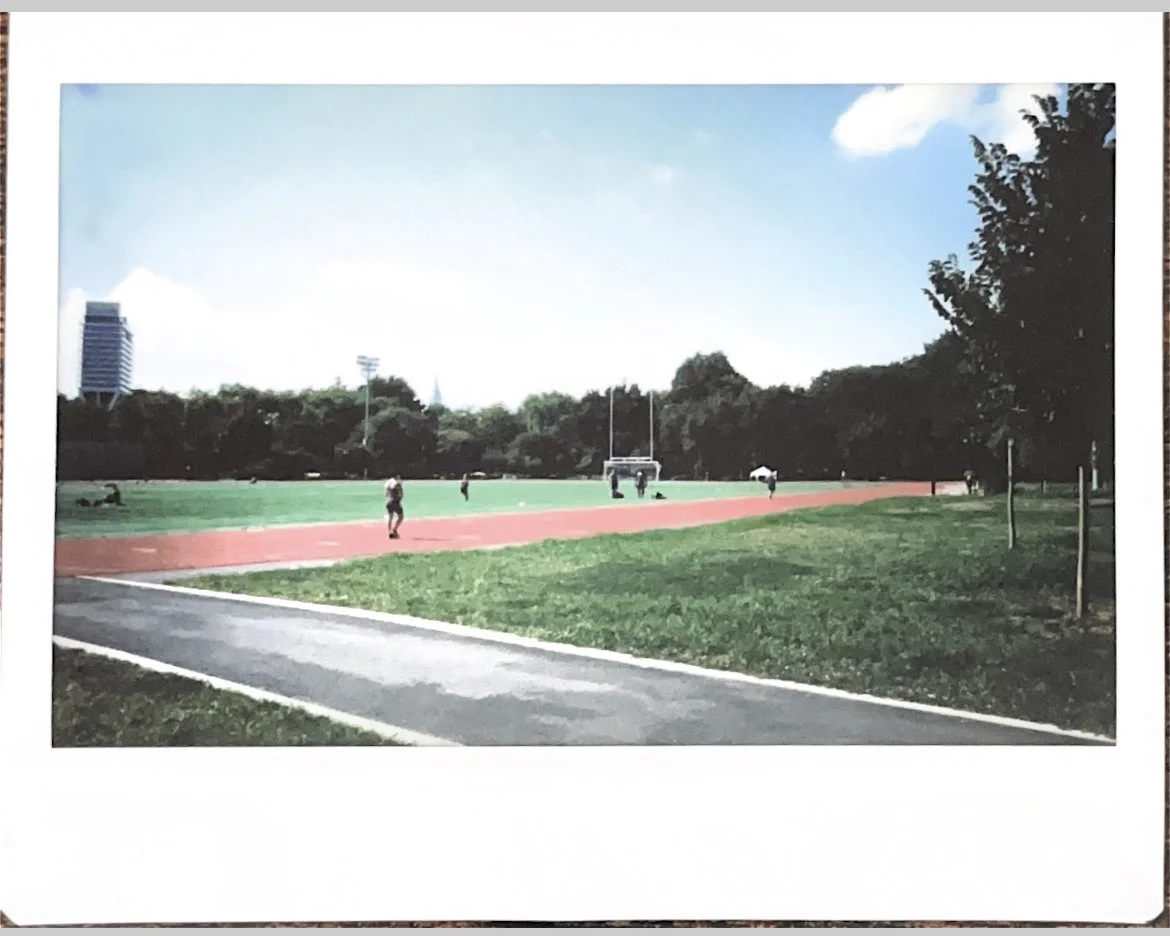
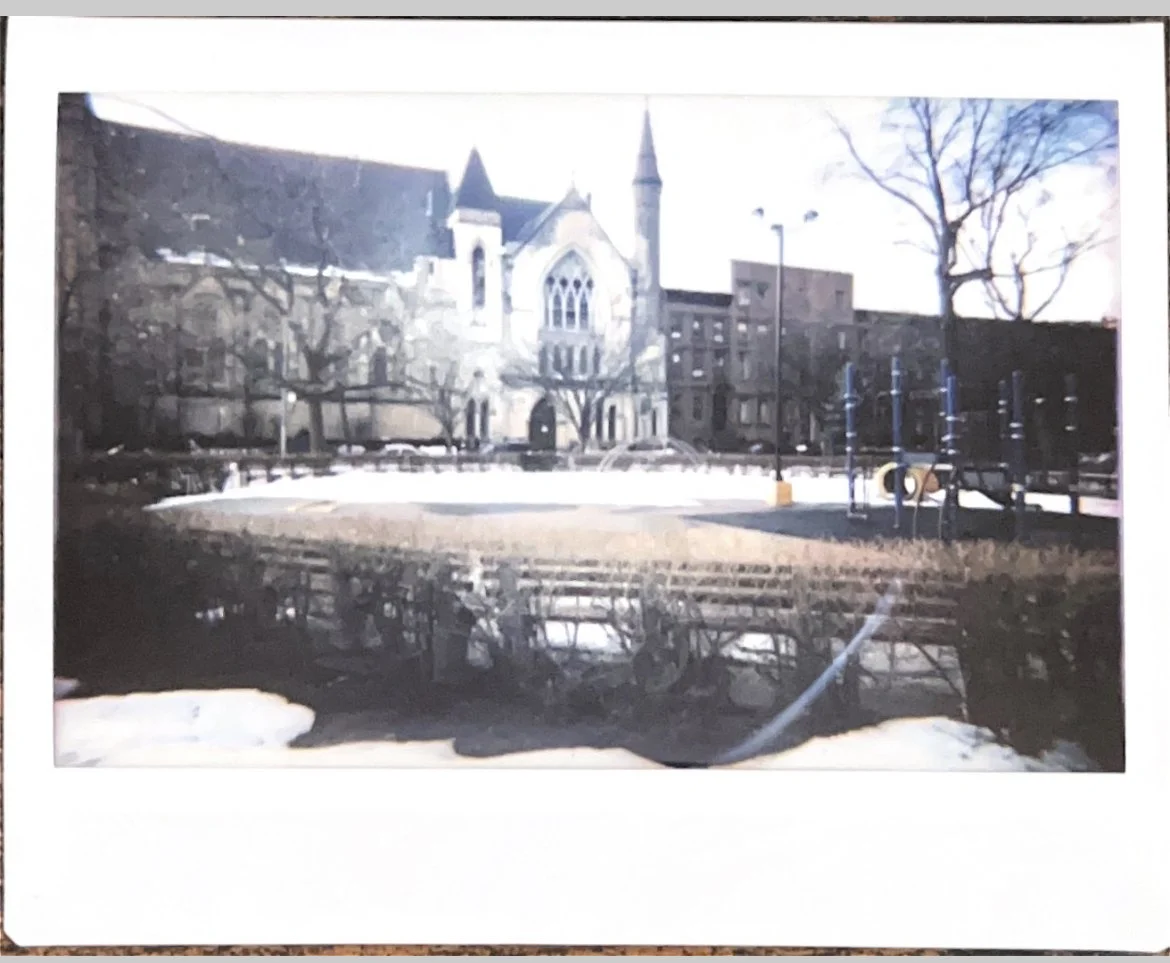
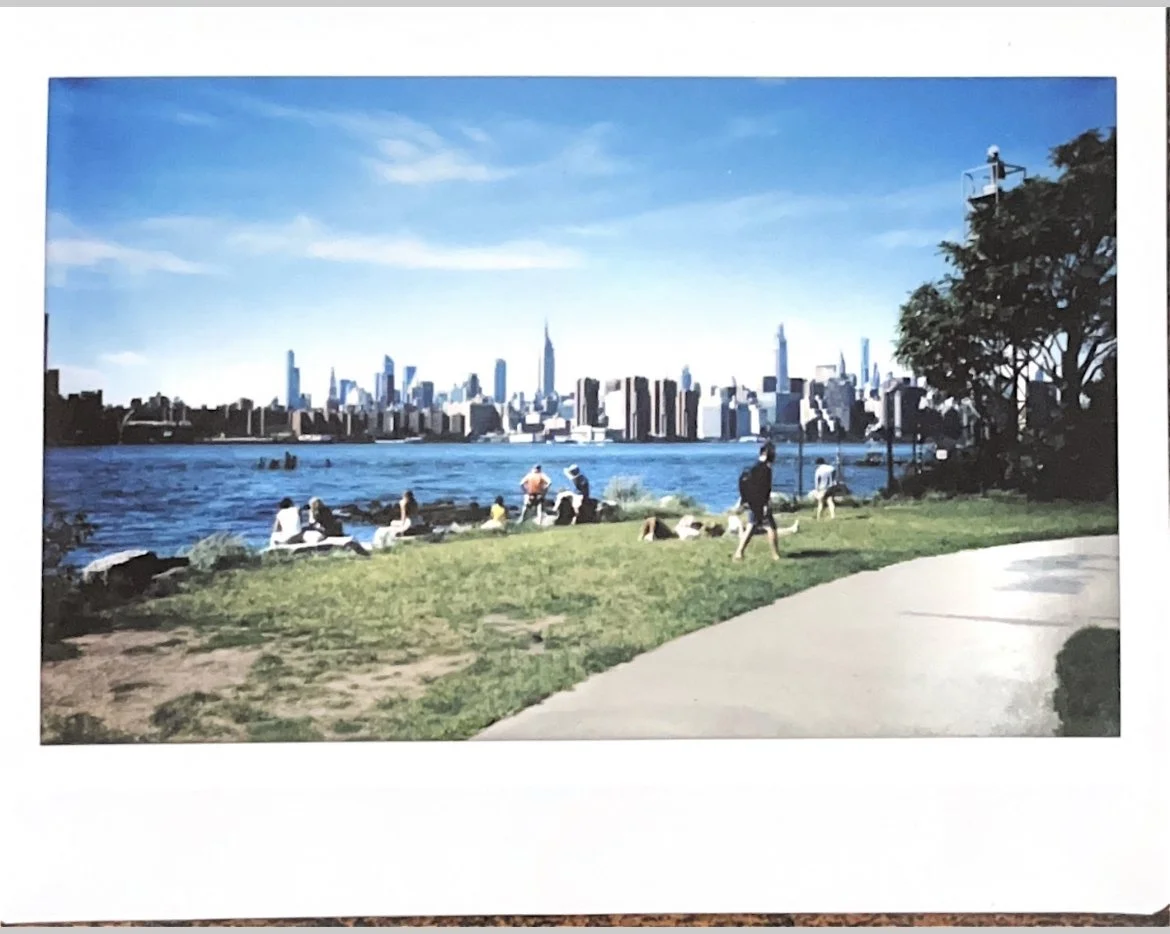
In the summer of 2020, I picked up a Polaroid camera for the first time, with no real plan beyond wanting to slow down and look closer at the neighborhood I'd suddenly stopped leaving. Brooklyn had gone quiet in a way I'd never seen it, the usual noise of the borough replaced by something closer to stillness. I started photographing what was actually in front of me, day by day, while refining technique and discovering intention beyond curiosity.
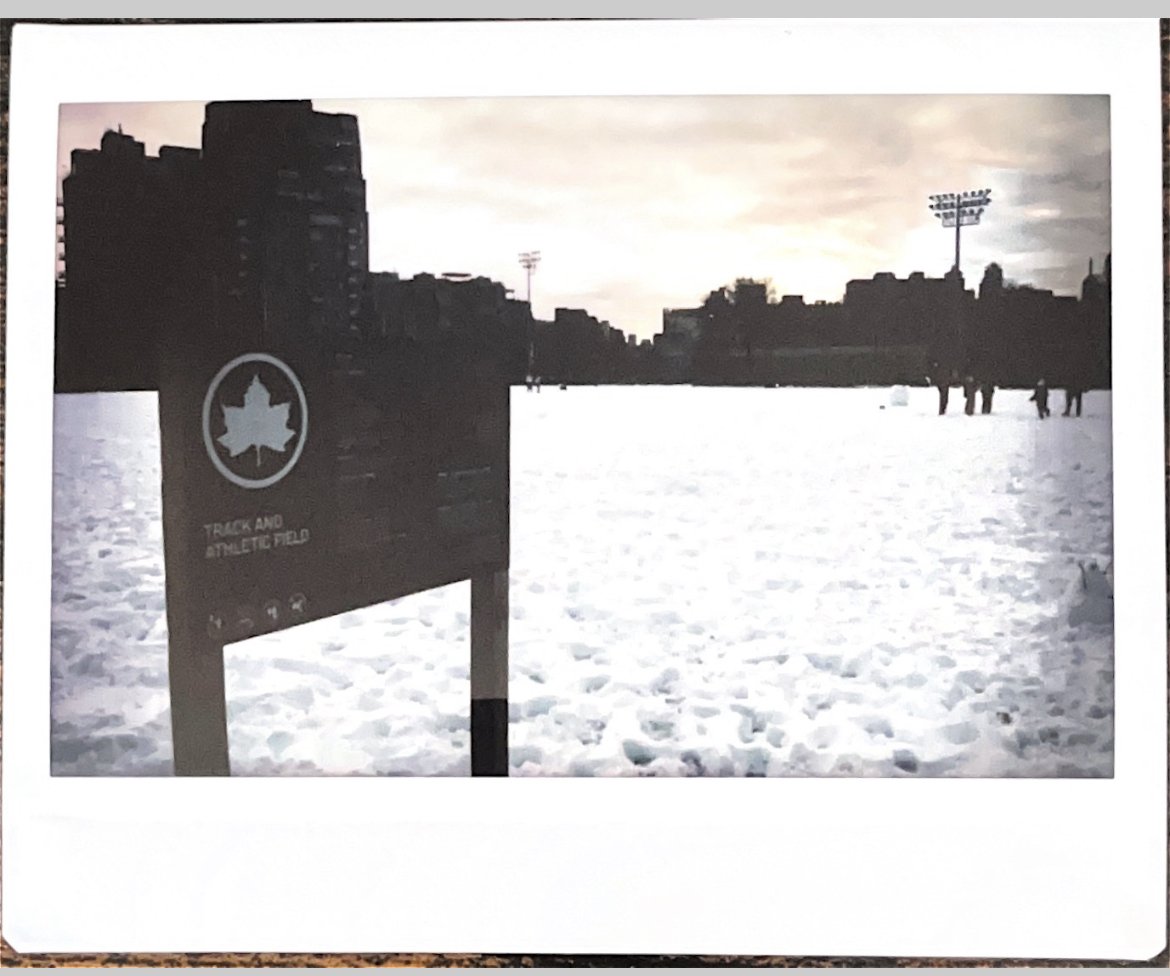
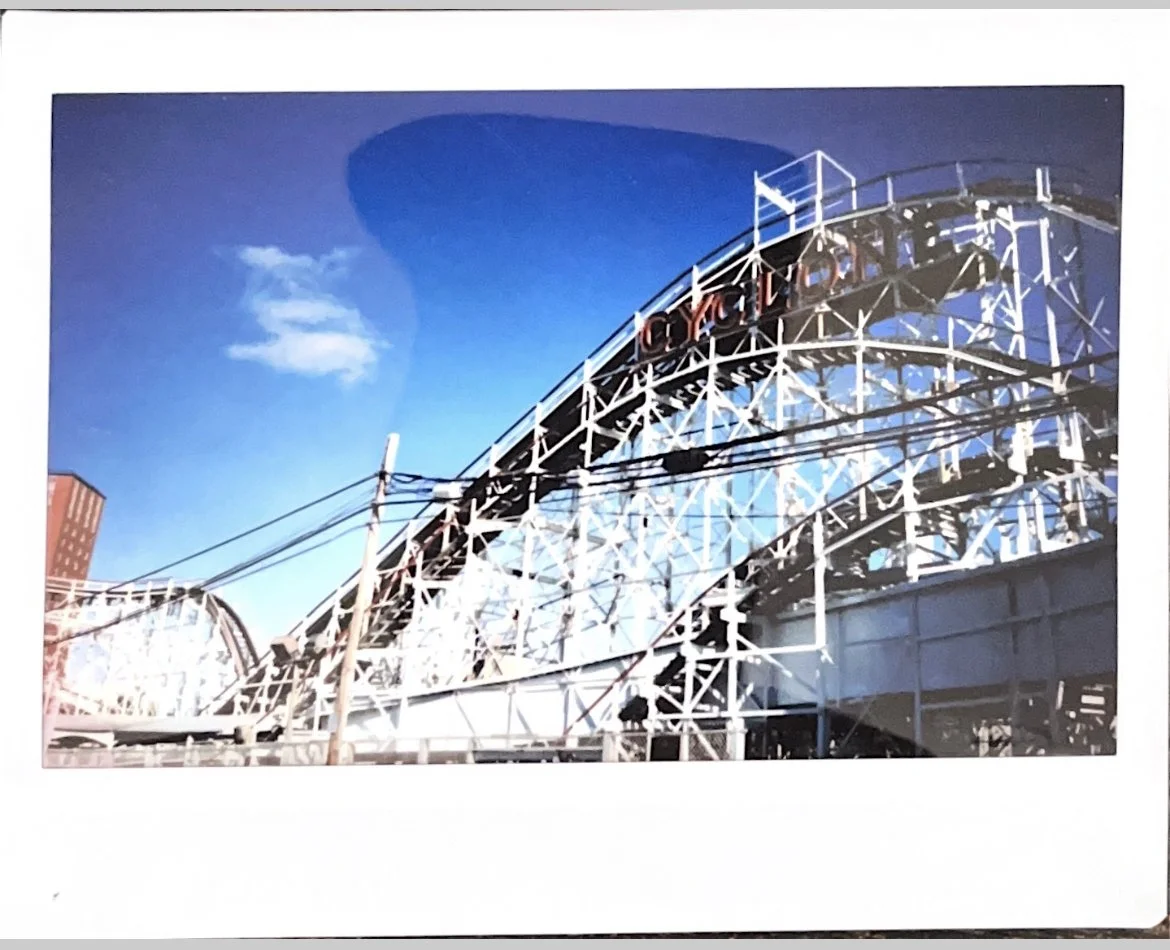
Then, the quiet broke. Murals appeared on shuttered storefronts and roll-down gates across the neighborhood, painted by hands that turned closed businesses into public statements. Coney Island sat empty against hard blue skies, its rides motionless, its boardwalk given over to gulls and a handful of people finding their own way to be outside. Somebody built a snowman with a cinnamon stick for a nose. A pizza party for the socially distanced. None of it was staged. All of it, looking back, was a record of a place and its people improvising a way through something none of us had a script for.
This body of work is not really about the pandemic. It's about Brooklyn learning how to hold its breath and then breathe anew, and about me learning — frame by frame, instant by instant — how to see. The instant film format felt right for that: each photograph is singular, undoable, exactly as good or as flawed as the moment allowed. There was no reshoot. That felt honest to what those months were.










Monochrome
This series began as an experiment — a roll of black-and-white film loaded into a camera that usually shot in color — and became its own way of seeing the city. Stripped of color, landmarks stop being postmarks and start being forms: the Brooklyn Bridge collapses into a single vanishing point down the center of its walkway; a stone eagle's wing becomes pure sculptural weight against bare branches; a cannon tucked under a park arcade reads less as history and more as shape and shadow.
Without color to soften or narrate the frame, what's left is structure, light, and the particular geometry of a city built in stone, iron, and bronze. A tree's shadow falling across untouched snow, the outline of my own body cast into that same shadow — these images are less about documenting a place than about noticing it, closely and slowly, at a moment when there was little else to do but look.
Where the color work is a record of a specific season, this series is closer to a study: an attempt to find the bones underneath a city I thought I already knew.


Lowering the Mask
This series traces a very particular moment — the first tentative return to being near other people after months of not being near anyone. It happens in parks, at outdoor tables with a chair pulled six feet from the next one, in the space between strangers relearning how to occupy a sidewalk together. Two friends sharing a park bench in the last light of evening. Someone lighting a stranger's cigarette. A couple leaning toward each other across a candlelit café table, close enough to talk, careful enough to keep their distance. A birthday cake balanced on someone's knee in the dark, pizza boxes fanned open across a blanket in the grass — small, deliberate gatherings, staged around whatever the moment allowed.
The mask was literal that year, and also something else. Lowering it — even briefly, even outdoors, even six feet apart — meant deciding to be seen again, to let a stranger or a friend close enough to matter. There was a newfound innocence to it: meeting someone's eyes across an outdoor table felt different that season, less automatic, more like something you'd chosen. Nobody in these photographs is posing for long; I was more interested in the specific, unrepeatable moment of people finding their way back toward each other, tentatively, outdoors, letting their guard down before they were entirely sure it was safe to.


Quest for Vision
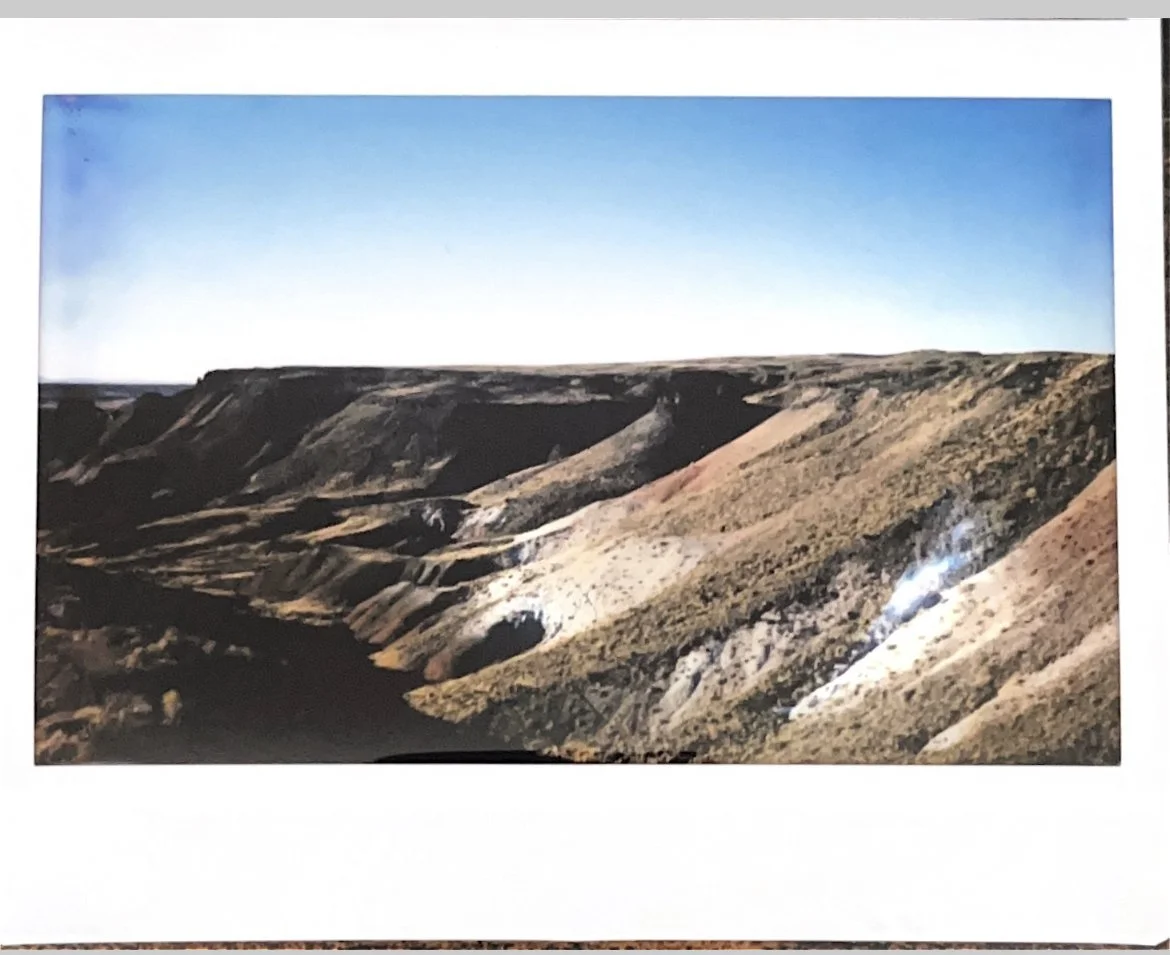
This series began as a road trip — San Francisco east through the Mojave, into Sedona's red rock, north through Santa Fe, Colorado, and Utah, back down the coast through San Diego — and became something closer to a search. Not for landmarks, but for the moments that made me look twice: snow sitting improbably on desert sand, like the landscape had contradicted itself. Two lone tents pitched on an empty beach, the only sign of anyone for miles. A water tower rising over a small Southwestern town, plain and strange against the sky. A cliff's edge reached only after a long hike, chasing a specific angle that existed nowhere else.
This wasn't a trip to check landmarks off a list. It was a quest for a kind of seeing — for the unfamiliar detail hiding inside a familiar landscape, for the shot that required getting somewhere on foot rather than pulling over. What I came back with is less a travelogue than a record of paying attention: proof that the West still had things in it I didn't already know how to see.